blog

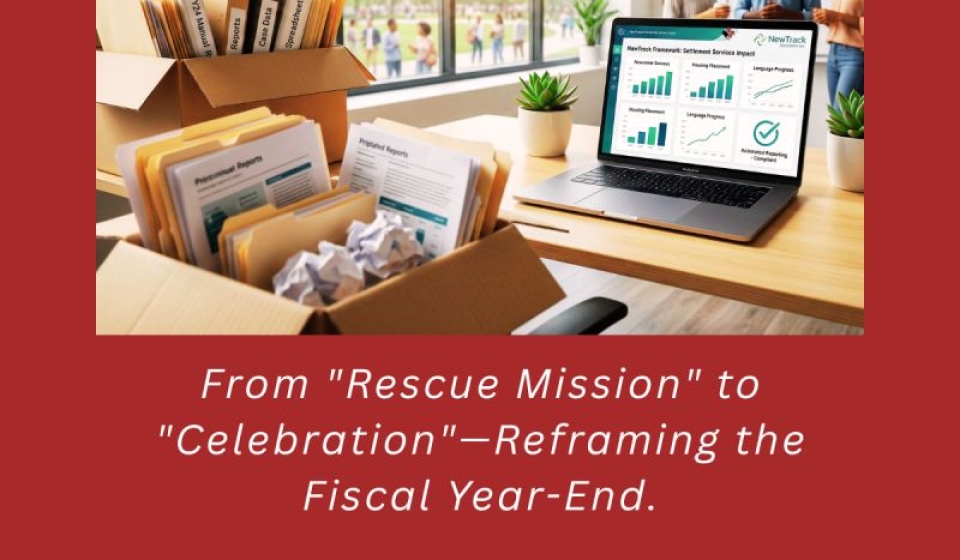
If you work in Settlement Services, you know the March ritual.

The “Fiscal Year-End Scramble” is in full swing. Case managers are digging through manual logs, program leads are cross-referencing three different spreadsheets, and leadership is waiting on data that was due yesterday.

The bottleneck isn’t your people—it’s your fragmented data.

In the settlement sector, “Data” isn’t just numbers. It’s a family finding a home. It’s a newcomer landing their first job. It’s the proof of impact that secures next year’s funding.
At NewTrack Solutions Inc., we believe your front-line staff should spend their time welcoming newcomers, not fighting with Excel formulas.
Why start the new fiscal year with the same old hurdles?
Our Microsoft-based framework is designed to:

Automate Reporting: Turn weeks of “data cleanup” into a one-click process.
Unify Client Journeys: A “whole-person” view across employment, housing, and language programs. Ensure Compliance: Security and privacy built for the sensitive nature of settlement work.

Don’t just “survive” this year-end. Build the foundation to make next year’s reporting a non-event.

Let’s give your team their capacity back.
blog

The Canadian immigration landscape is shifting under our feet

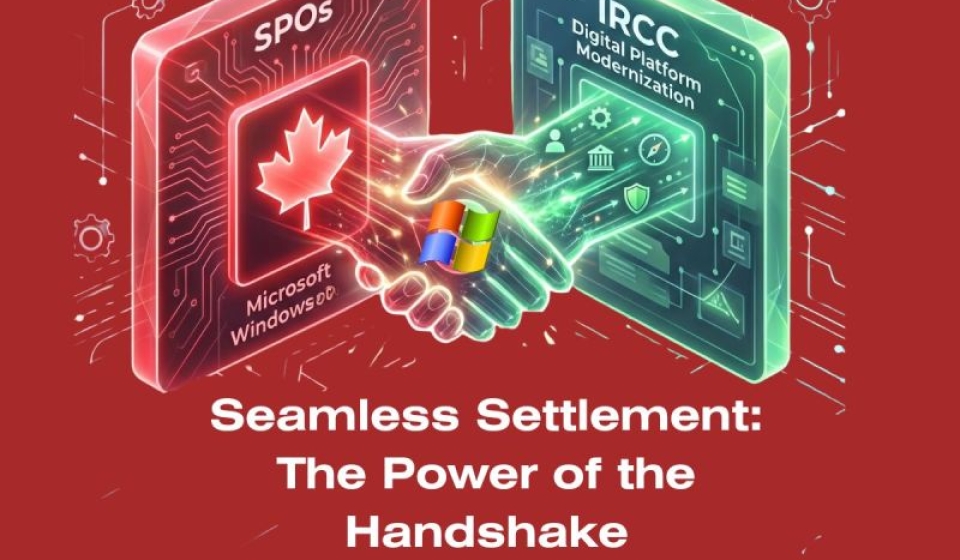
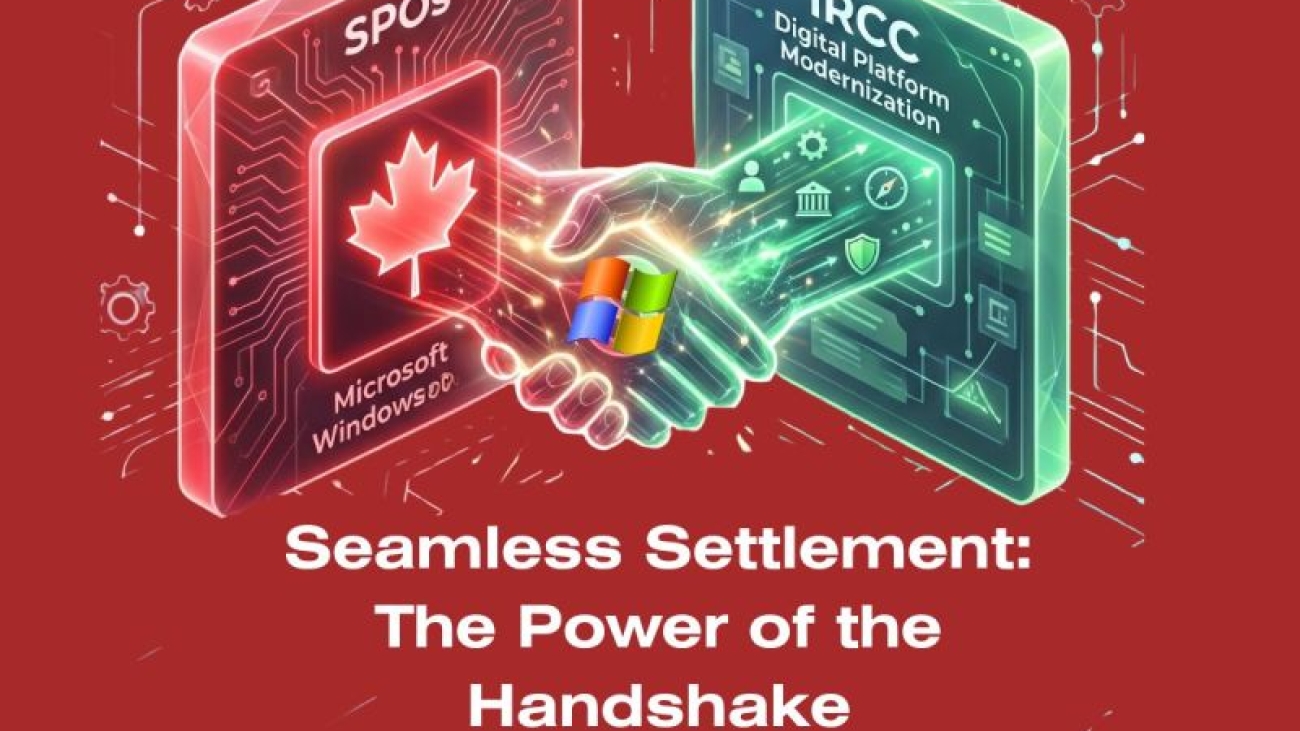
The Canadian immigration landscape is shifting under our feet. With the IRCC 2025–2026 Departmental Plan now in full swing, the mandate for Settlement Provider Organizations (SPOs) has moved beyond simple service delivery—it’s now about digital synchronization. As IRCC rolls out its Digital Platform Modernization (DPM), the “handshake” between SPO internal systems and IRCC’s new unified online portals isn’t just a technical upgrade; it’s the lifeline of newcomer success.

What a “Healthy Handshake” Looks Like?

When systems interoperate, we move from manual data entry to a seamless flow of information.

Real-time Alignment: SPOs can track client journeys through the single-window account, ensuring services match the client’s real-time IRCC status.

Data Integrity: Automated “completeness checks” at the front end mean fewer “return-to-sender” errors and more time for actual human connection.

What Happens Without It?

If our systems don’t talk to each other, the “digital gap” becomes a “settlement gap”:

The “Hidden Backlog”: Even as IRCC clears its queues, siloed SPO data creates internal bottlenecks.

The Bottom Line

Interoperability is no longer a “tech project”—it is a mission-critical strategy. To meet the 2026 goal of processing large number of applications within service standards, our systems must be as agile as our policies.
Are your systems shaking hands with the future, or are they stuck in the past?